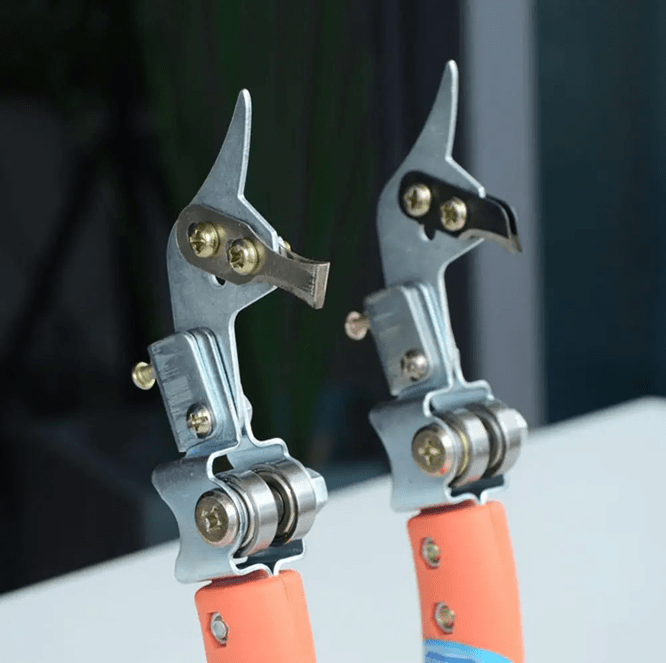
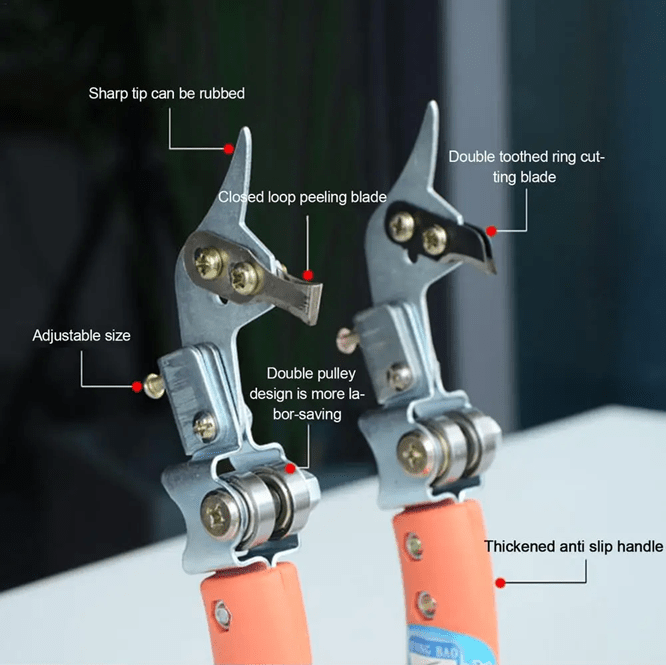
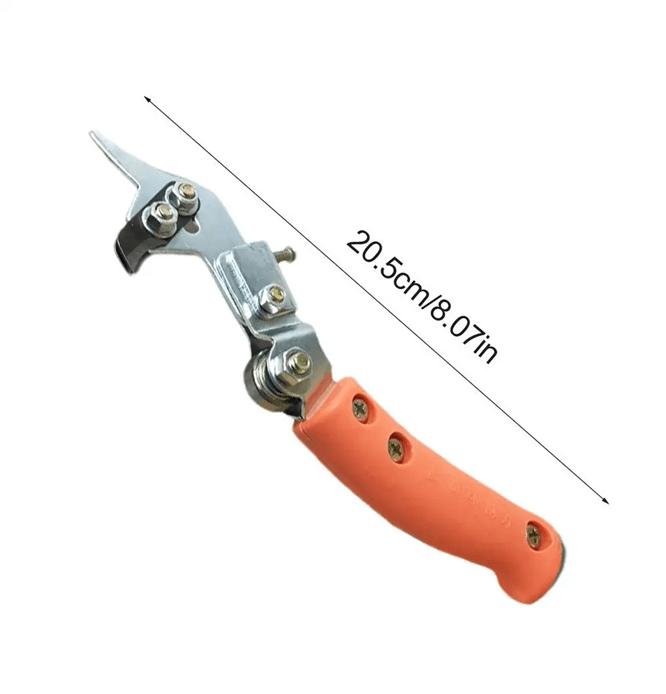
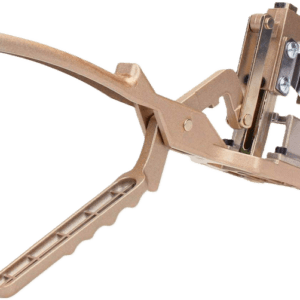
This kit has (1) open tooth tool and (1) closed ring tool
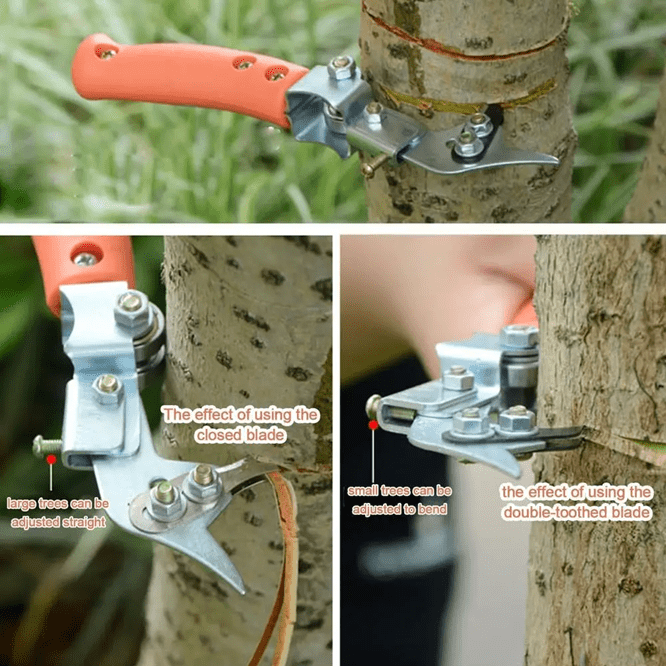
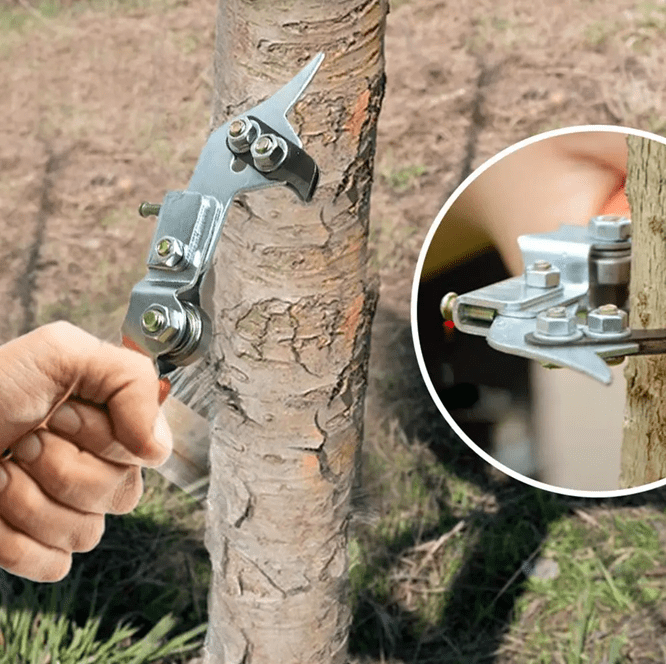
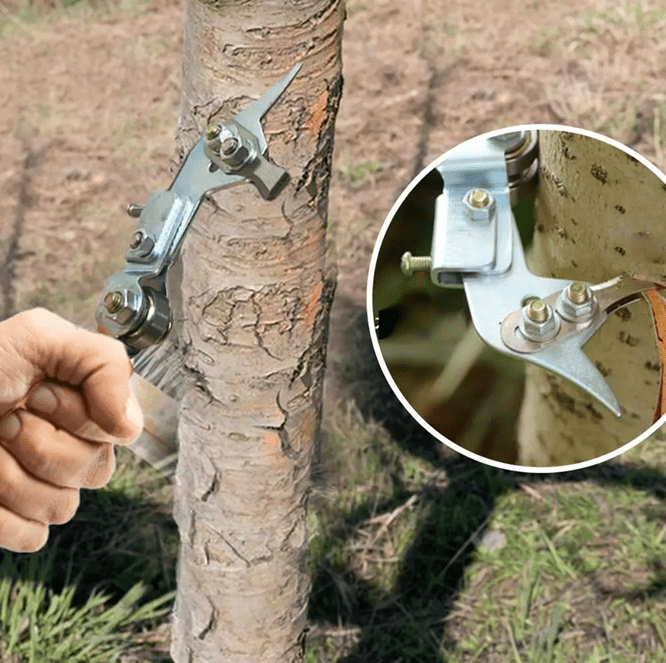
Specifications: Closed ring cutting is peeling, the ring cutting width is 3mm; double-tooth ring cutting is linear and does not peel, the ring cutting width is 1mm
- Enhanced Yield: Promotes flower and fruit preservation, leading to higher and stable yields in fruit trees.
- Dual-Tooth Cutting Technology: Features a double-tooth design for linear, non-peeling cuts, ensuring a clean, precise trim.
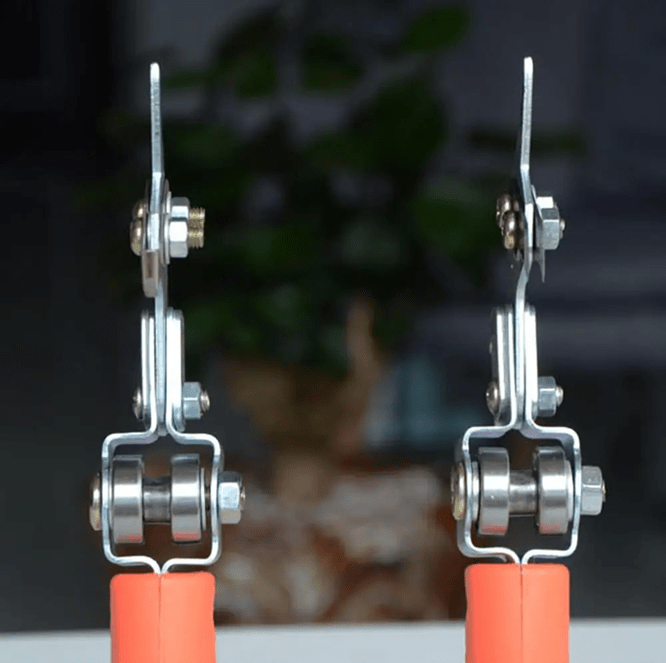
- Scissors Tree|Adjustable Design: The adjustable screw allows for a tailored fit, catering to various tree sizes.
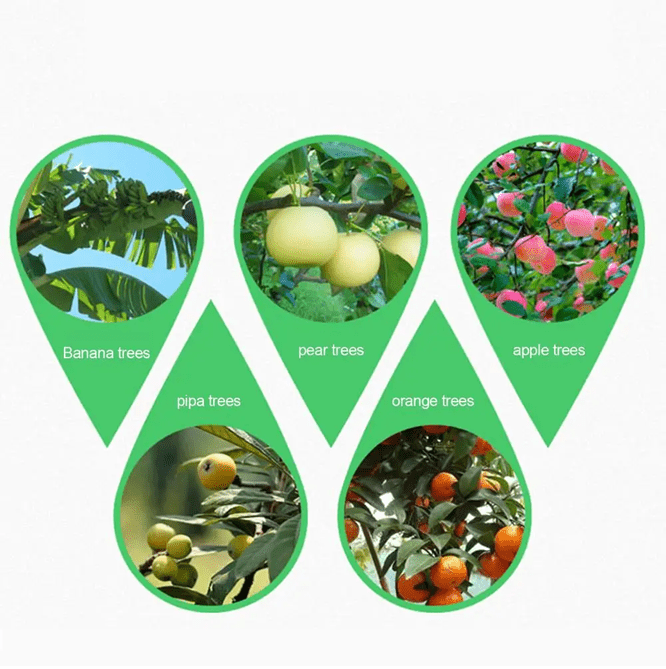
- Versatile Pruning Tool: Ideal for pruning a range of fruits like honey pomelo, jujube, and lychee, enhancing garden productivity.
- Comfort Grip Handle: Ergonomic grip reduces hand fatigue, making prolonged pruning tasks more manageable.
🌳 What Bark Girdling / Ring Peeling Used For in Fruit Trees
Girdling (also called ringing, ring peeling, or bark stripping) is a controlled horticultural technique where you remove a thin ring of bark — just enough to interrupt the phloem, not the xylem. Promoting fruit and flower development.
In simple terms:
- Water still goes up the tree
- Sugars stop going down
This causes sugars, hormones, and carbohydrates to accumulate above the girdle.
That buildup is the entire point.
Here’s what it accomplishes.
🍎 1. Increase Fruit Size
When sugars can’t move past the girdle, they pool in the fruiting area.
Growers use girdling to:
- Increase fruit size
- Improve sweetness
- Improve color
- Improve uniformity
Common in:
- Grapes
- Apples
- Peaches
- Plums
- Citrus
🌸 2. Encourage Flowering / Improve Bloom
Girdling increases carbohydrate concentration in the canopy.
This can:
- Trigger flowering
- Increase bloom density
- Improve fruit set
Used when a tree is too vegetative and not producing enough flowers.
🌿 3. Reduce Excessive Vegetative Growth
If a tree is growing too aggressively (lots of shoots, not enough fruit), girdling slows the downward flow of growth hormones.
This helps:
- Reduce shoot length
- Balance the tree
- Shift energy from leaves → fruit
🌱 4. Branch Training / Bending
A light girdle can weaken a branch just enough to:
- Bend it
- Change its angle
- Encourage fruiting wood formation
This is used in orchard training systems.
🍇 5. Improve Fruit Ripening
By concentrating sugars and hormones above the girdle, fruit ripens:
- Earlier
- More evenly
- With better color
Common in grape production.
🪓 6. Remove Bark for Propagation (Bark Peeling)
Ring peelers are also used for:
- Air layering
- Preparing scion wood
- Removing bark for grafting
- Cleaning bark for budwood collection
This is why some tools are called peelers instead of cutters.
⚠️ 7. Growth Control (NOT killing the tree)
A proper girdle is shallow — it does not cut into the wood.
But a deep, complete girdle can:
- Sever nutrient flow
- Kill a branch
- Kill the entire tree
🧰 Why the Tooth Style Matters
Open‑tooth
- Faster bark removal
- More aggressive
- Better for thick bark
- Used on older trees or tough species
Closed‑tooth
- Cleaner, more precise ring
- Less risk of cutting too deep
- Better for young trees or thin bark
- Used when you want controlled carbohydrate manipulation






Reviews
There are no reviews yet.